Make Your Digital Footage Sing with Budget Vintage Lenses

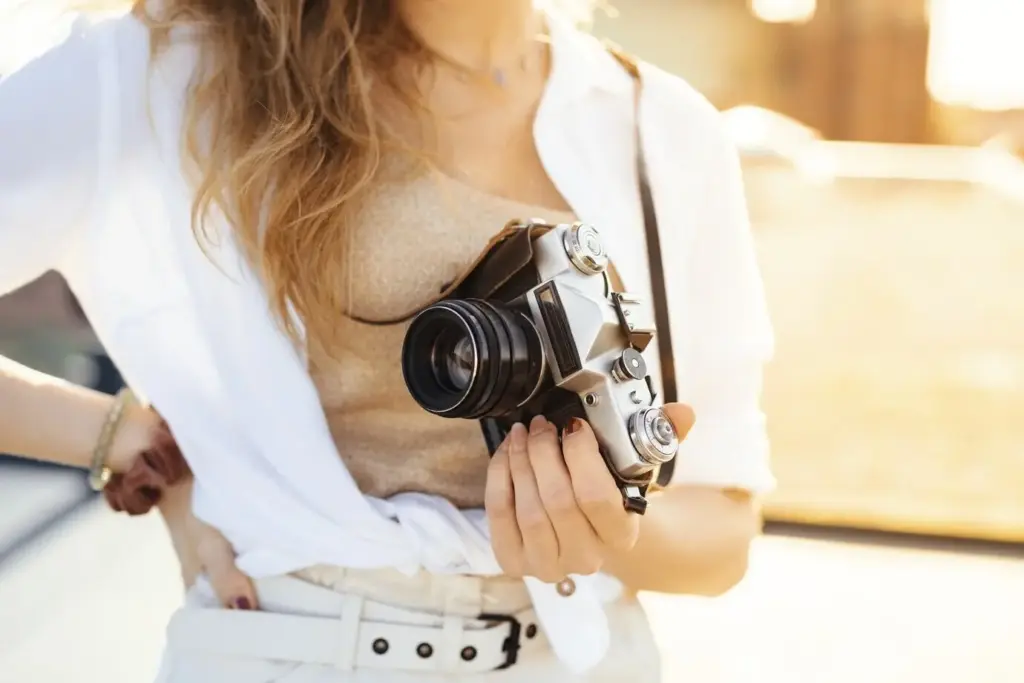
Today we dive into building a budget‑friendly vintage lens kit for video production, celebrating character, emotion, and tactile control. You’ll learn how to pick adaptable mounts, avoid costly pitfalls, and assemble a cohesive set that grades beautifully. Expect real‑world examples, shopping tactics, and gentle modifications that elevate usability on modern mirrorless cameras without draining your bank account. By the end, you’ll know exactly how to choose focal lengths, test optics, and craft a reliable kit that looks cinematic, feels intentional, and invites confident storytelling.

Character Before Perfection: What Vintage Optics Do to Your Image

Rendering and Micro‑Contrast

Vintage lenses frequently separate subject from background through nuanced micro‑contrast rather than brute sharpness alone. Faces feel dimensional, fabric texture breathes, and foliage layers stack gracefully. On interviews, this can gently flatter wrinkles without blurring them away. When paired with modern 4K or 6K sensors, you retain enough detail for professional delivery while mitigating edge harshness. Shoot backlit portraits or street scenes and you’ll notice a smoother tonal roll‑off that seems to invite longer looks and calmer emotions.

Flares, Coatings, and Color Nuance

Older coatings produce flares that can paint scenes with personality—amber ghosts, teal streaks, and soft veiling glow. Used intentionally, these effects guide attention, signal memory, or emphasize transition. Color often leans warmer or cooler depending on era and maker, and subtle casts can harmonize across a set if you choose carefully. With consistent white‑balance practices and a thoughtful LUT or color‑managed workflow, those gentle tints become your signature rather than a headache, especially in golden‑hour exteriors and practical‑lit interiors.

Mechanics, Focus Throw, and Breathing
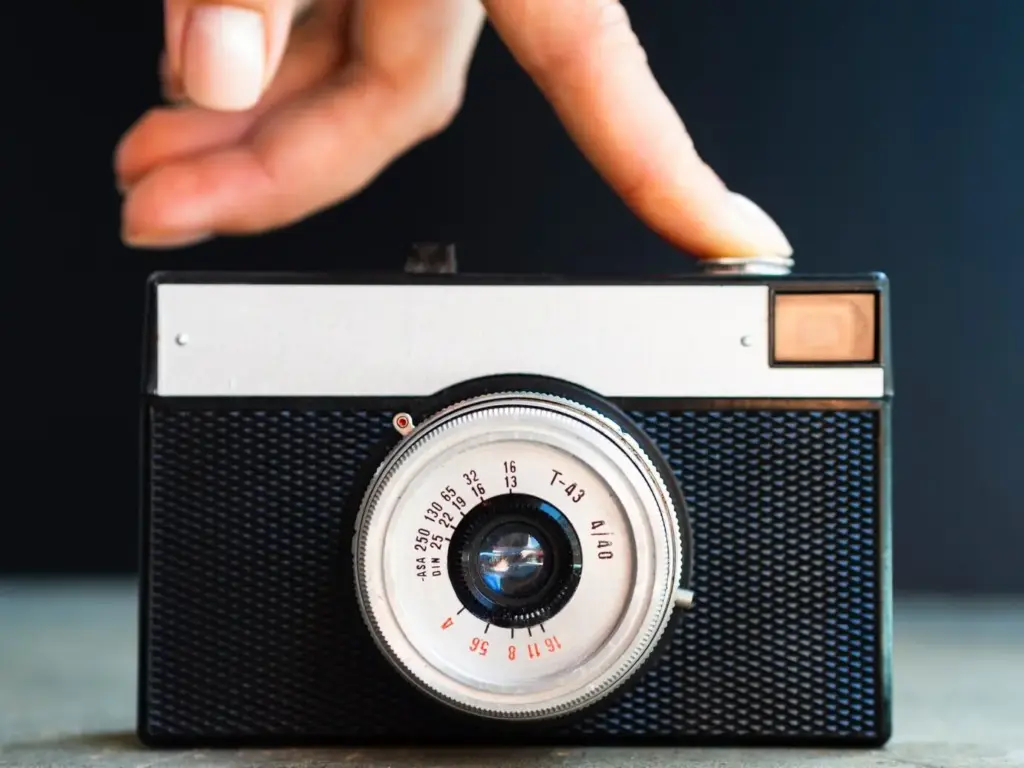
Many vintage primes boast long, buttery focus throws that make manual pulling more precise. The tactile resistance helps you land marks, while visible breathing varies by lens and can even be used expressively. Some copies exhibit slight play or stiffness from aging grease, which is fixable with servicing. Pairing smooth helicoids with modern follow‑focus gears turns tiny cameras into controllable tools. On narrative projects, that tactile feedback builds confidence, reduces hunting, and fosters consistent performance across setups and operators.

Mount Choices and Adapters That Unlock the Most Cameras

Your mount strategy determines how many affordable lenses you can explore. Mirrorless bodies, with short flange distances, adapt most vintage SLR mounts with inexpensive, optics‑free adapters. This flexibility keeps costs low and image quality high. Plan your system around a widely available mount like M42, Pentax K, Nikon F, or Contax/Yashica to build a cohesive, interchangeable set. Understand flange distances, infinity focus, and adapter tolerances so you avoid corrective optics, unexpected vignetting, or wobbly connections that sabotage shoots and sound recordings.

The Classic Trio: Wide, Normal, Short Tele

Start with a 28mm or 35mm for environmental context, a 50mm for coverage and interviews, and an 85mm or 90mm for portraits and compression. This trio handles most documentary, narrative, and commercial needs affordably. If you find a family of lenses with similar coatings, prioritize them for color continuity. When mixing models, test side‑by‑side for skin tone shifts. Keep minimum focus distances in mind—close‑focus wins for product details, tabletop shots, and emotional inserts that drive story beats without switching to macro.

Fast Glass versus Practicality

Super‑fast lenses look enticing, but price, weight, and softness wide open can complicate shoots. An f/1.7 or f/2 prime is often cheaper, sharper at usable apertures, and still cinematic in low light. Faster glass also increases focus difficulty on handheld work. Consider your gimbal or shoulder rig balance, and whether your follow‑focus can tame shallow depth of field. In many cases, a clean f/2.8 with great micro‑contrast and gentle flares grades better than a mushy f/1.4 that fights you every take.

Hunting Wisely: Where to Buy and How to Test Quickly

Thrift shops, estate sales, online auctions, and local classifieds hide treasures—alongside duds. The trick is a consistent, fast testing routine and sensible pricing limits. Bring a small flashlight, microfiber cloth, and body cap adapters. Check optics, mechanics, and mount integrity before money changes hands. Ask about return windows, take serial numbers, and document condition. With a reliable five‑minute checklist, you’ll avoid fungus nightmares, stiff focus surprises, and aperture failures that kill momentum on set and drain your gear budget.

Thrift Stores, Flea Markets, and Family Attics

Arrive early, bring cash, and be friendly. Many sellers value quick, respectful transactions over squeezing every dollar. Ask if there are more lenses not on display—often a box emerges from a closet. Explain you’re filming a project; people love helping art happen. Inheritances sometimes include clean, barely used primes. Inspect calmly, negotiate politely, and bundle for discounts. If a lens shows haze or scratches, calculate realistic cleaning costs versus replacement before you fall in love with nostalgic logos and worn leather cases.

The Five‑Minute Testing Ritual

Shine a flashlight through both ends to reveal haze, fungus threads, or balsam separation. Rotate focus end‑to‑end and feel for even resistance. Click the aperture and confirm blades are snappy and oil‑free. Mount to your camera or an adapter, check infinity and close focus, and shoot a quick backlit sample for flare behavior. Examine the rear element for cleaning marks. Finally, lightly wiggle the mount to detect looseness. This ritual saves hours of regret and films you will not wish to reshoot.

Negotiation, Returns, and Risk Management

Set a personal top price before emotion hits. If issues arise—mild haze, sluggish aperture—request a fair reduction that covers cleaning. Prefer sellers with return policies for online buys, and pay through platforms offering protection. For rare gems, consider professional CLA costs in your ceiling. Keep spare adapters and a dummy battery handy on location tests. Document everything with phone photos so disputes stay calm and factual. Risk managed upfront means more budget left for lights, audio, and travel when opportunities appear.

Taming Quirks: Cleaning, Modding, and Rigging for Video
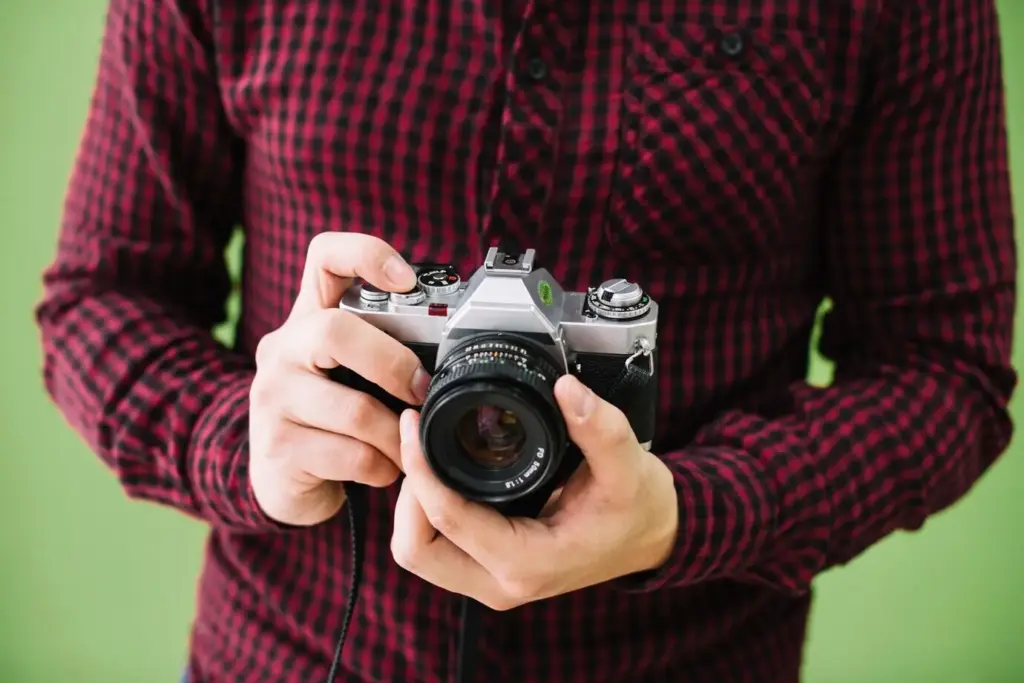
Vintage lenses reward care. Simple steps—dust removal, gentle cleaning, and smart rigging—transform usability. Add uniform step‑up rings to standardize filters, and fit unobtrusive gear rings for consistent focus pulls. Consider de‑clicked apertures for smooth exposure transitions. Learn when to stop DIY and call a technician, especially with separation or complex helicoids. A tidy, repeatable setup minimizes on‑set surprises and supports quick lens swaps, so your attention stays on performance, blocking, and light rather than wrestling with sticky focus or incompatible accessories.

Sample Kits You Can Build Without Breaking the Bank

Here are real‑world combinations that preserve character while respecting tight budgets. Each set covers core focal lengths, adapts easily to mirrorless, and keeps filter workflows sane. Use them as starting points and swap equivalents you find locally. After you assemble a set, share your results, frame grabs, and favorite color grades with the community—your discoveries help others avoid dead ends. Remember: condition beats myth. A clean copy of a modest lens outperforms a famous dud every day you’re on set.

Ultra‑Shoestring Setup

Build around M42 for low cost and easy adapters. Try Helios 44‑2 58mm f/2 for expressive bokeh, Pentacon 29mm f/2.8 or Prakticar 28mm for wider context, and a Jupiter‑37A 135mm f/3.5 for telephoto compression. Add a 49‑to‑67mm step‑up ring set to share one variable ND. Expect gentle contrast, painterly flares, and pleasing skin. This kit shines in music videos and moody shorts. Clean copies are key; prioritize snappy apertures and smooth focus to keep shots consistent under pressure.

Balanced Starter Setup

Mix Pentax‑M and Nikon AI‑S for reliability and matching ergonomics. A Pentax‑M 28mm f/3.5 offers crisp rendering, a Pentax‑M 50mm f/1.7 gives versatile speed, and a Nikon AI‑S 85mm f/2 delivers flattering portraits without breaking the bank. Adapt to mirrorless with solid metal mounts. Standardize fronts to 67mm, and add a mild diffusion filter for highlight bloom control. This trio handles interviews, B‑roll, and narrative coverage while grading predictably. Expect comfortable focus throws and durable mechanics suitable for frequent lens swaps.
Xarophelivunt
Privacy Overview

This website uses cookies so that we can provide you with the best user experience possible. Cookie information is stored in your browser and performs functions such as recognising you when you return to our website and helping our team to understand which sections of the website you find most interesting and useful.