Old Lenses, New Stories

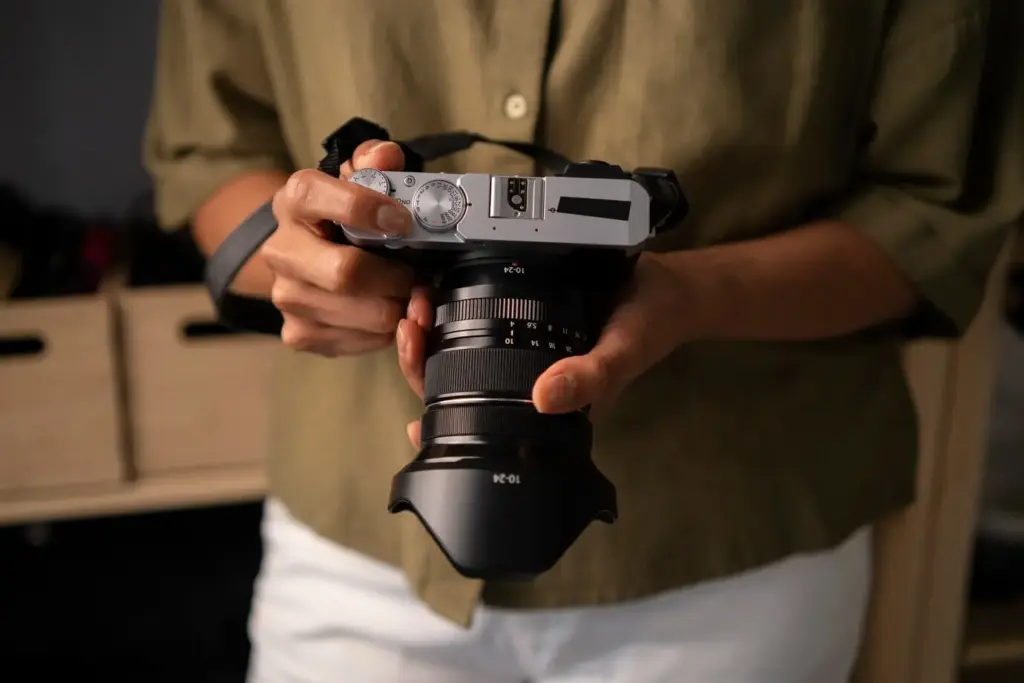
Today we dive into Vintage Glass on Modern Bodies, celebrating the quirky charm of classic optics mounted on today’s mirrorless and DSLR cameras. Expect practical guidance, honest anecdotes, and real-world setups that transform limitations into distinctive images. From adapters and flange distances to swirly bokeh, we’ll help you find reliable workflows, avoid pitfalls, and share photographs that speak with texture and history. Join the conversation, ask questions, and show your results so others can learn alongside you.

Mounts, Distance, and the Perfect Fit

{{SECTION_SUBTITLE}}
Adapters that Respect Geometry

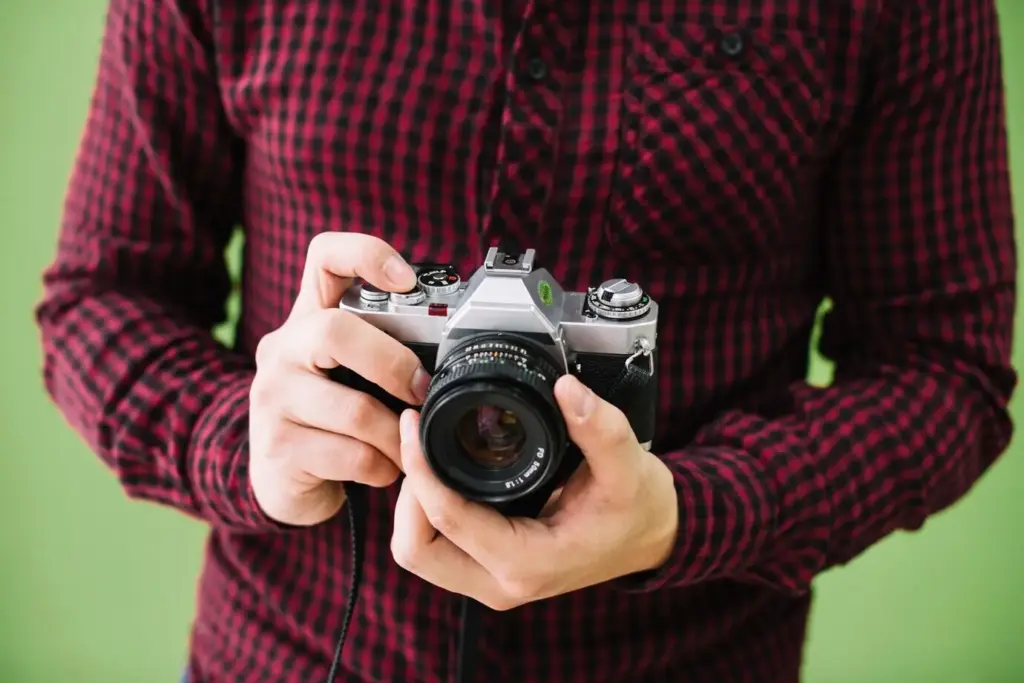
Not all adapters are equal. Cheap ones can tilt, add play, or sit too short, ruining alignment and robbing sharpness. Choose brands with tight tolerances, matte interiors, and solid bayonets. Test infinity focus, check for reflections, and consider flocking or black tape to eliminate flares from internal reflections.

Mirrorless Bodies, Maximum Compatibility

Short flange distances on mirrorless cameras make life easier, enabling mounting of M42, Pentax K, Minolta SR, Canon FD, Contax/Yashica, and Leica R without corrective optics. DSLRs are stricter; some mounts won’t reach infinity. Learn which pairings work, why reducers exist, and when a simple spacer beats complex solutions.

The Beauty of Character Rendering

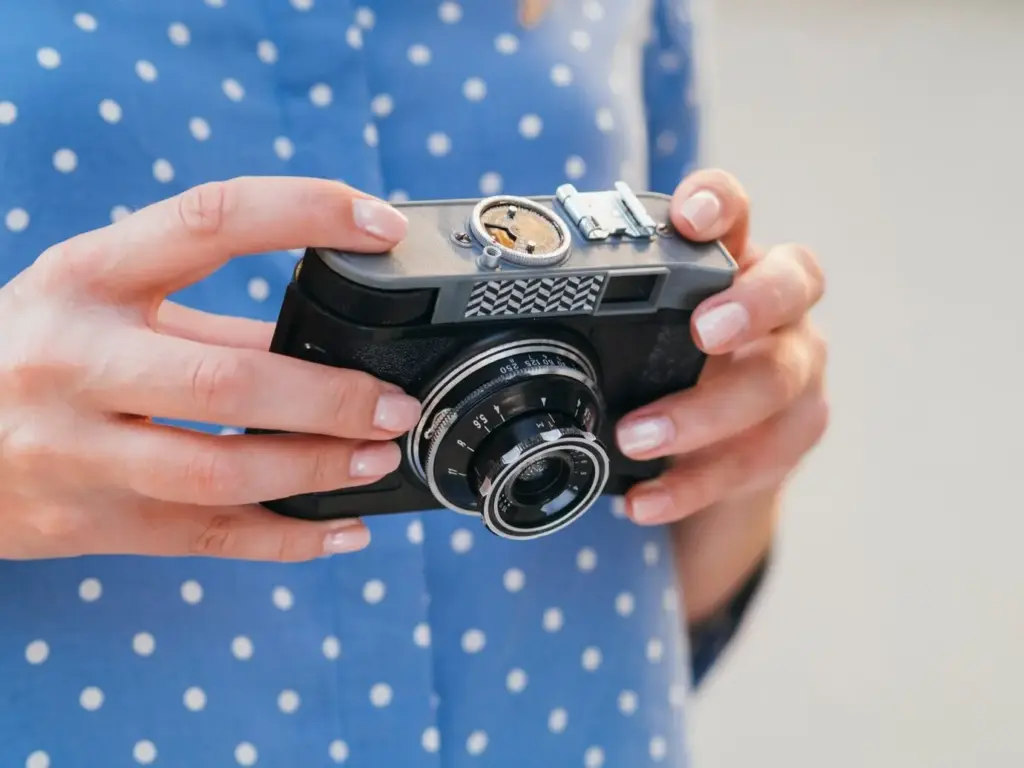
Clinical perfection is not the only path. Classic lenses paint with swirl, glow, field curvature, and unexpected flare, shaping scenes with mood and movement. Embrace these signatures intentionally, guiding viewer attention while honoring quirks. We’ll decode examples, share favorite pairings, and show how controlled imperfection turns ordinary light into memorable photographs.
From the Helios 44’s swirling backgrounds to Trioplan soap bubbles and Sonnar melt, defocus patterns shape emotion. Background distance, aperture shape, and sensor size influence highlights dramatically. We’ll demonstrate spacing tricks, backlight positioning, and subject separation that coax dreamy transitions without losing facial detail or essential structural clarity.
Single coatings and older glass invite flare, veiling contrast, and blooming highlights. Instead of fighting it, position light to create halos around hair or edges, then restore midtones in post. A hood, slight angle shifts, or cupped hand control spill while keeping the luminous, nostalgic aura you want.
Some lenses skew warm, others cool green, and many vintage coatings lower microcontrast, softening fine texture while protecting larger shapes. Shoot a gray card to build profiles, or lean into rendering for mood. Gentle clarity adjustments and local contrast tools preserve the unmistakable analog feel without plastic, overprocessed sheen.

Manual Focus Mastery in a Digital Era
Peaking That Actually Helps
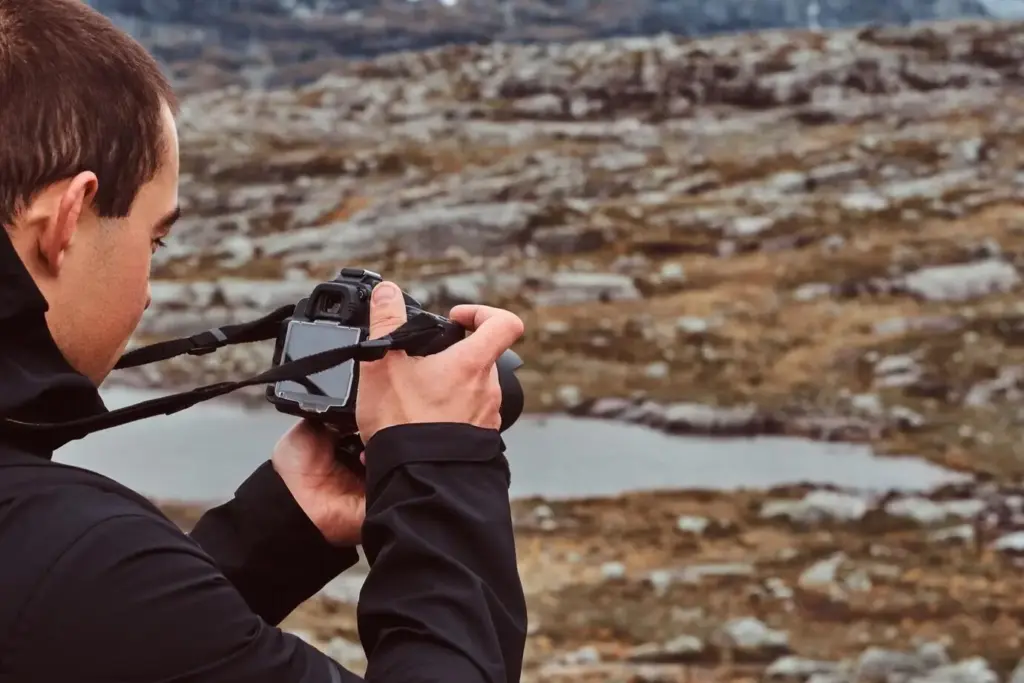
Cranking peaking to maximum often outlines noise, not detail. Use a medium setting and a contrasting color against your subject, then half-press or tap to engage magnification for confirmation. Practice racking past focus and returning slowly, watching textures lock rather than relying solely on shimmering edges.

Magnification and Custom Buttons

Assign a thumb button to instant magnify and another to punch-in while recording video. Combine with stabilized view for surgical precision at telephoto focal lengths. If your camera supports it, limit magnify to a smaller box so you can reframe quickly without losing spatial awareness or cadence.

Zone Focusing for the Fast Lane

Street movement rarely waits. Pre-focus using distance scales, stop down to create a forgiving depth of field, and memorize hyperfocal distances for your sensor size. With practice, you’ll anticipate crossings, align layers, and capture spontaneous interactions sharply without the tunnel vision of constant viewfinder magnification.

Exposure Confidence without Electronic Contacts

Old lenses won’t pass EXIF or aperture data, but modern metering still works. Understand stop‑down behavior, highlight handling, and how Auto ISO cooperates with manual controls. We’ll cover exposure strategies for backlight, flicker, and mixed illumination, keeping dynamic range intact and noise controlled, even when light shifts unpredictably.

Stop‑Down Metering, Simplified

Set the camera to aperture priority or manual with Auto ISO, then physically close the aperture on the lens. The meter reads actual light, avoiding guesswork. Watch shutter speeds, compensate a third stop for heavy backlight, and verify histogram rather than trusting only the preview’s sometimes deceptive brightness.

Stabilization and Focal Length Input

In-body stabilization thrives when you tell it the focal length. Enter the correct number, or the nearest choice, particularly with zoomless primes. This keeps viewfinding steady, allows slower shutters without blur, and improves handheld confidence during dusk portraits or interiors where tripods are impractical or prohibited.

Auto ISO with Intent

Manual shutter and aperture paired with Auto ISO is powerful. Set a minimum speed that matches focal length or motion, cap maximum ISO to protect detail, and ride exposure compensation as light changes. This maintains creative control over motion and depth while letting the camera handle fluctuations gracefully.

Care, Restoration, and Safety

De‑Yellowing Radioactive Glass Safely

Certain thorium‑containing lenses yellow over time, warming images and dimming transmission. UV or extended sunlight can reverse it. Shield sensors, remove elements if you’re qualified, and rotate exposure to prevent warping. Patience works; weeks may pass before clarity returns. Always prioritize safety and follow credible repair community guidelines.

Fungus, Haze, and Practical Cleaning

Fungus etches coatings if left unchecked. Store lenses dry with airflow, and treat early. Use proper tools, minimal fluid, and avoid aggressive solvents that migrate to aperture blades. If internal haze persists or element groups need separation, a professional CLA will likely save money and heartbreak long term.

Grease, Helicoids, and Aperture Health

Old grease stiffens, new grease migrates. Choose a viscosity that matches climate, apply sparingly, and keep blades dry. Stiff focusing encourages missed shots; oily blades stick and stutter. If you’re unsure, stop before damage. Reliable technicians transform clunky mechanics into silky focus with crisp, snappy diaphragm action.

Weekend Experiments to Spark Your Vision

Constraints often ignite creativity. Try focused exercises that highlight the strengths of classic optics while revealing their limits. With a single prime and a modest adapter, you can produce a cohesive set filled with character, learning handling shortcuts that carry into paid work, travel, or personal documentary projects.

Building a Starter Kit Without Overspending

Great results rarely require premium price tags. Smart picks, careful inspection, and patience outpace impulse buys. We’ll suggest affordable classics, explain common faults to avoid, and outline a simple practice plan. Share your experiments, ask for feedback, and refine choices as your vision, subjects, and preferred handling evolve.

Affordable Classics Worth Hunting

Look for M42 50mm f/1.8 or f/2 primes, Helios 44 variants, Minolta MD 35mm f/2.8, Pentax‑M 135mm f/3.5, Canon FD 100mm f/2.8, and enlarger lenses adapted for macro. Each offers distinct rendering while staying within reach. Prioritize condition over speed, and leave room in budget for a dependable adapter.

Inspection Checklist at the Seller’s Table

Shine a light through the barrel to reveal haze and fungus, test aperture snappiness, rotate focus end‑to‑end for smoothness, and check wobble. Verify serial markings, filter threads, and scratching. Mount on your adapter if possible to confirm infinity, peaking behavior, and how the lens balances in hand.

Practice, Publish, and Learn Together

Create a small project using one focal length for a week, then publish a contact sheet and a tight edit. Explain what worked, what failed, and why. Invite critique, ask questions, and celebrate progress. Collaboration multiplies insights and encourages consistent shooting through inevitable frustrations and thrilling breakthroughs.
Xarophelivunt
Privacy Overview

This website uses cookies so that we can provide you with the best user experience possible. Cookie information is stored in your browser and performs functions such as recognising you when you return to our website and helping our team to understand which sections of the website you find most interesting and useful.