
Steady Frames and Confident Exposure with Manual Lenses
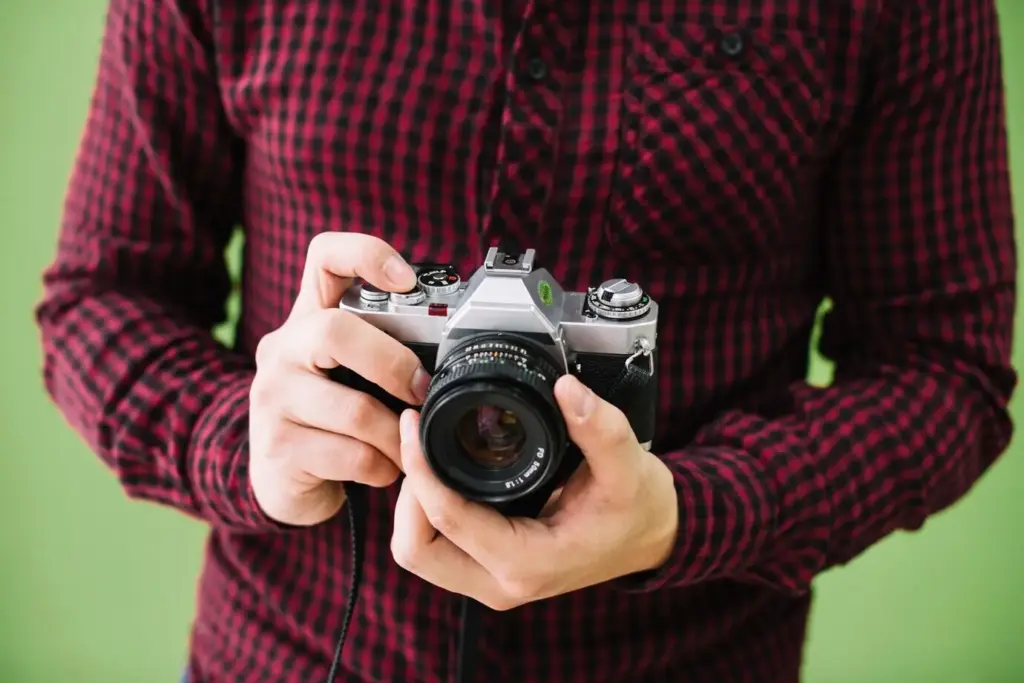
Today we dive into In-Body Stabilization and Metering with Non-Electronic Lenses, exploring how sensor‑shift systems tame handshake while stop‑down methods deliver reliable exposure. Expect practical setup tips, field‑tested techniques, and relatable stories that help you keep vintage optics rock‑steady, expose accurately in changing light, and fall in love with the tactile joy of fully manual shooting again.

Mastering Sensor‑Shift Stability with Manual Glass

In‑body image stabilization can be remarkably effective even when your lens offers no electronics at all. By telling your camera the focal length and adopting steady handholding habits, you unlock crisp results at unexpectedly slow shutter speeds. We will translate jargon into clear actions and help you understand what really happens when the sensor moves to counter your motion.

Choose Metering Modes that Suit Manual Apertures

Center‑weighted and spot metering often behave more predictably with stop‑down lenses than multi‑segment algorithms tuned for electronic communication. If highlights matter, meter the brightest detail you wish to preserve and add exposure as needed. In tricky backlight, spot off the face and dial compensation. Test how your specific camera handles darker screens at smaller apertures, then adapt confidently.

Use Histograms, Zebras, and Exposure Preview

Trust live feedback. Enable exposure preview, highlight zebras, and a real‑time histogram if available. Manual lenses vary in transmission; a labeled f/2 may behave like T2.3. Watch the right edge of the histogram and zebra thresholds around important highlights. This practical, repeatable method makes brand differences irrelevant and turns judgment into a fast, consistent routine you can rely upon.

Adapters, Registration, and Helpful Camera Customizations

Adapters are the bridge that makes this pairing possible. Thickness tolerances determine infinity focus; chipped mounts can pass focal length or fake EXIF; bodies from brands like Pentax or Olympus let you register lens data directly. Thoughtful customization of buttons and menus streamlines focus aids, stabilization inputs, and exposure tools, so your manual workflow becomes graceful rather than fussy.

Pick the Right Adapter for Flange Distance and Infinity

A precise adapter preserves the designed flange distance, enabling sharp infinity focus and accurate focusing scales. Cheap, out‑of‑spec rings can cause soft corners or prevent reaching infinity altogether. Favor reputable makers, check for internal reflections, and consider matte black interiors. If your lens needs helicoid adapters or reducers, verify clearance and stability so stabilization remains effective and predictable.

Chipped Adapters and Lens Registration Options

Some adapters include a programmed chip that reports a focal length and maximum aperture, improving stabilization consistency and adding useful EXIF tags. Pentax, Olympus, and certain Sony bodies also let you register lens profiles manually. This organization pays dividends later when reviewing images, testing consistency, and applying lens‑specific noise reduction or sharpening tailored to your favorite vintage glass.

Customize Buttons for Peaking, Magnification, and IBIS Input

Assign a button to focus magnification, another to peaking, and a third to quickly set focal length for IBIS. On bodies supporting My Menu or Quick Control, place exposure preview and zebra options up front. Muscle memory is everything. If you can summon these helpers without menu diving, your manual workflow feels modern, nimble, and surprisingly fast under real‑world pressure.

Creative Techniques: Let Stabilization Shape Your Vision
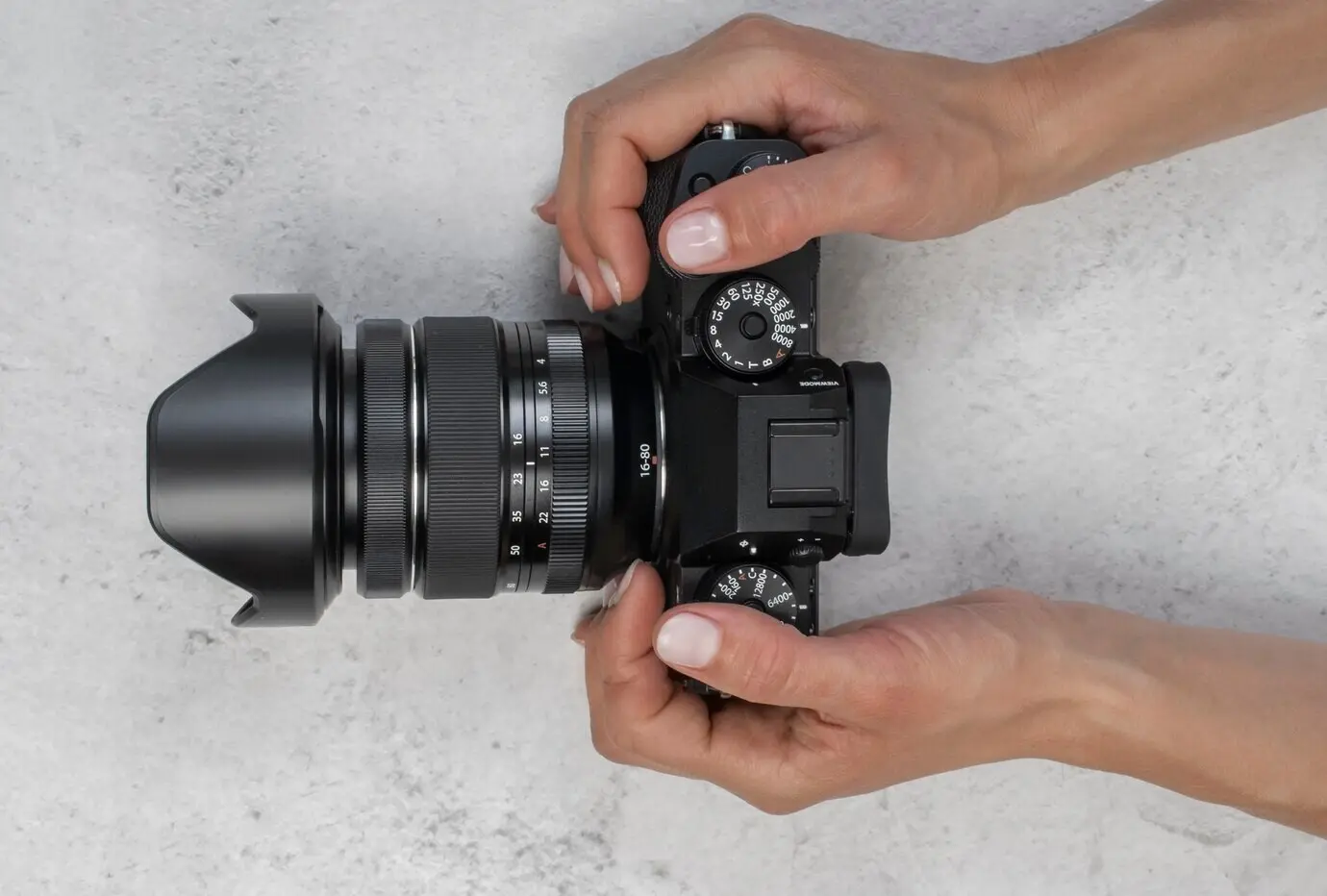
Stabilization is more than a safety net; it is a creative tool. Handheld long exposures render crowds as silky streams while static architecture stays crisp. Intentional camera movement gains nuance when IBIS compensates partially. Video footage with manual lenses becomes cinematic yet controlled. Embrace these capabilities to expand your expressive range far beyond merely avoiding blur in low light.

Handheld Long Exposures for Atmosphere and Motion

Experiment with shutter speeds between one‑eighth and half a second while holding steady against a wall or lamp post. IBIS keeps signs and building edges sharp as people blur into ghosted gestures. Combine with gentle panning for dynamic diagonals. Review results at high magnification; refine your rhythm. The payoff is distinctive mood without a tripod when spontaneity truly matters.

Manual Lenses in Video with Sensor‑Shift Assistance

Sensor‑shift stabilization pairs beautifully with de‑clicked apertures and smooth focus throws. Keep your feet planted and bend at the knees to absorb steps; IBIS trims micro jitters while preserving natural movement. For walking shots, consider an external rig plus in‑body support. Test crop factors and readouts, ensuring rolling shutter remains acceptable. The right balance yields graceful, cinematic motion.

Blend Electronic and Software Stabilization Thoughtfully

Some cameras offer additional digital stabilization or post‑processing warp. Use them sparingly with manual lenses to prevent over‑correction artifacts and odd warping at frame edges. Start with IBIS alone, then layer digital assistance for specific shots. Always check for field‑of‑view crops and sharpness penalties. Creativity thrives when you choose stabilization as a tool, not a blanket default.

Real‑World Stories: From Dusk Streets to Windy Cliffs
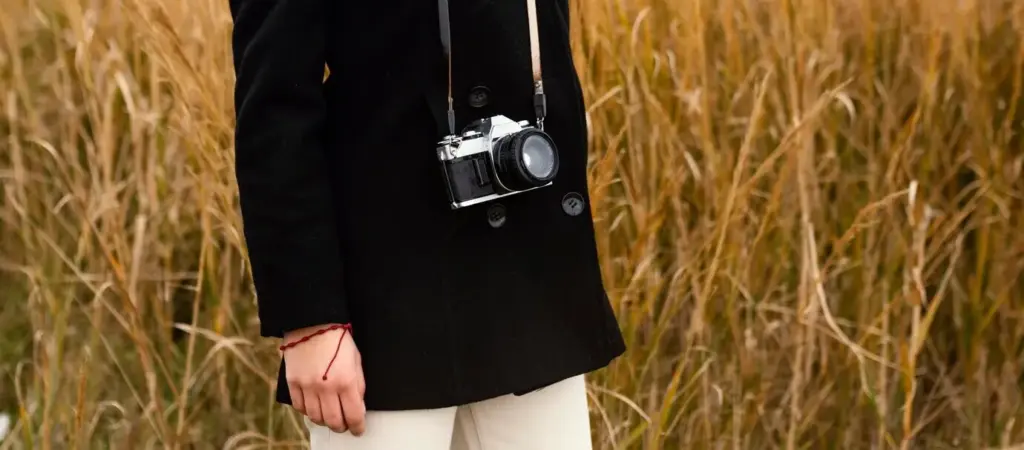
Experience shapes trust. A classic 50mm on a Sony body held a one‑tenth second street scene, neon shimmering while faces stayed detailed. On a windswept headland, a 135mm Pentax lens and sensor‑shift froze a fleeting gull. Through practical moments, you will see how preparation meets chance, and how manual craft rewards patience with unexpectedly polished results.

Dusk with a Fast Fifty and Confident Stop‑Down
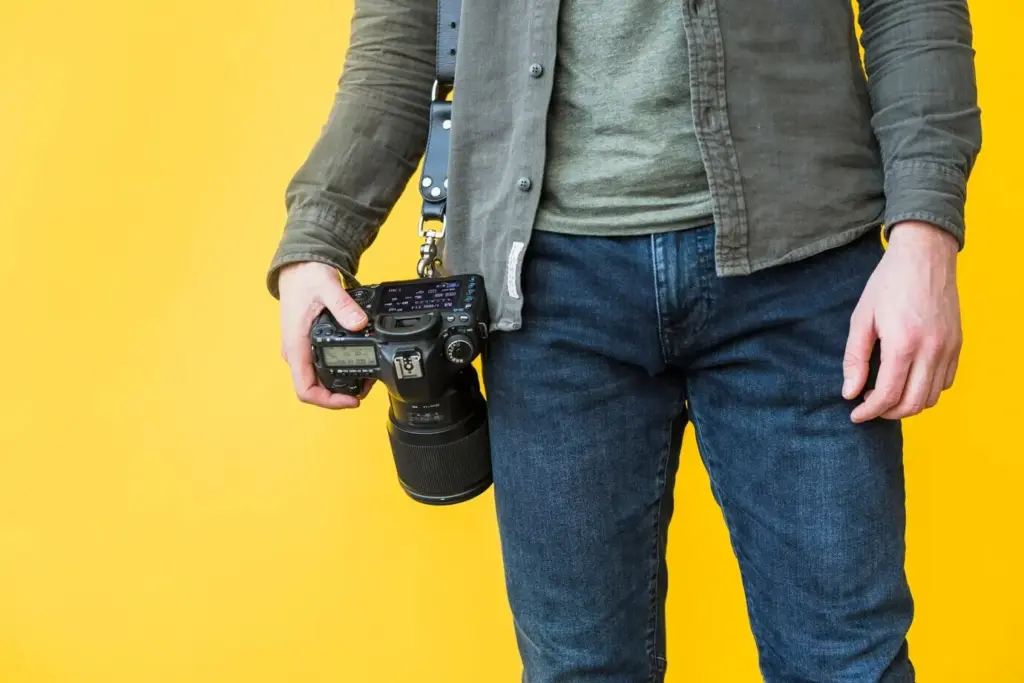
I set f/2.8 on a vintage 50mm, spot‑metered the brightest signage, and dialed minus one‑third exposure compensation. With IBIS set to 50mm, a gentle exhale steadied the frame at one‑tenth. Skin tones held, highlights glowed, and the histogram nuzzled the right without clipping. The shot felt modern, yet the tactile focus ring kept the experience delightfully hands‑on.

Telephoto Breeze, Stable Horizon, Clear Subject
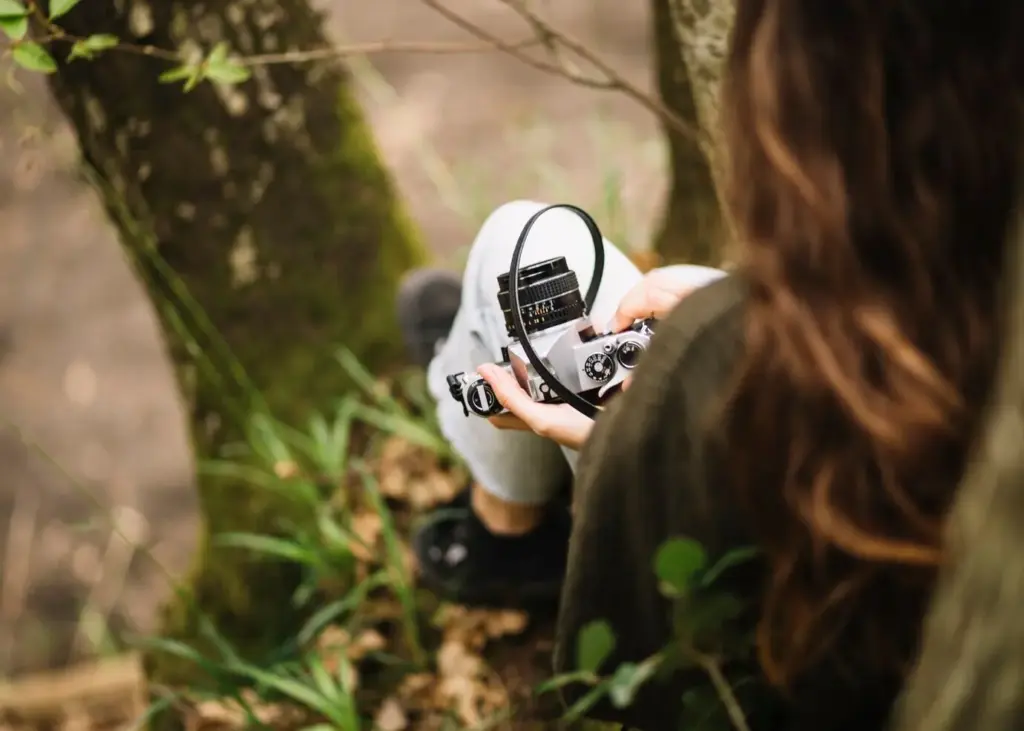
Perched above crashing waves, I mounted a compact 135mm. Entered 135mm for stabilization, braced my elbows, and waited between gusts. Center‑weighted metering protected the sky while zebras warned on foam highlights. One two‑hundredth later, the gull cut through sunlight, feather detail crisp. The entire sequence was calm, methodical, and achievable without electronics or heavy support gear.

Quiet Interiors and the Sound of the Shutter

In a museum, light was dim and tripods forbidden. A 28mm manual lens, ISO modest, and one‑quarter second exposures told the story. IBIS kept frames surprisingly sharp against stone pillars. I spot‑metered a painting, nudged exposure to save varnish highlights, and let people blur softly. The result felt intimate, respectful, and technically sound despite the challenging, echoing space.

Troubleshooting and Common Misconceptions

Myths persist: that IBIS cannot work without contacts, or that metering fails entirely with stopped‑down lenses. In reality, most modern bodies excel if you give them focal length data and watch your live feedback. This section untangles confusion about wide versus tele performance, tripod behavior, and viewfinder brightness so you diagnose issues quickly and shoot with renewed confidence.

Why Wide Feels Forgiving and Tele Feels Demanding

At short focal lengths, small hand movements translate to tiny image shifts, so stabilization appears magical. At 135mm and beyond, the same movement multiplies. Set the correct focal length, aim for higher shutter speeds, and refine bracing. Expect fewer stops of benefit at telephoto; this is physics, not failure, and planning around it restores consistent, satisfying sharpness.

Stop‑Down Darkening and Exposure Preview Confusion

As you close the aperture, the optical view dims, sometimes making metering behavior appear inconsistent. If your camera supports exposure simulation, enable it, then watch the histogram rather than screen brightness. Use magnification for focus at the working aperture, or pre‑focus wide open when the lens allows. Clear method beats guesswork and brings reliable, repeatable exposures back.

Build Your Workflow: Settings, Notes, and Consistency

Aperture‑Priority with Manual Glass, Step by Step

Set aperture manually, choose aperture‑priority, and meter the brightest important detail using spot or center‑weighted modes. Add exposure compensation based on your tests, then confirm with histogram and zebras. Enter focal length for IBIS, compose, exhale, and press smoothly. This consistently produces exposures you can predict, freeing you to chase timing and gesture rather than menu gymnastics.

Create Lens Cards and Field Checklists

For each lens, note measured transmission differences, preferred compensation, and any flare quirks. Add focusing sweet spots and stabilization limits. Keep cards in your bag or phone. Before shooting, review the checklist: focal length set, aids assigned, histogram visible. This small habit reduces errors dramatically and protects important moments from preventable metering or stabilization oversights.

Curation, EXIF Notes, and Learning from Results

Non‑electronic lenses rarely write details to files. Add lens names and focal lengths during import, or use a chipped adapter to embed basics. Star images that met expectations, flag misses, and compare settings. Over a few sessions, patterns emerge, informing future compensation and shutter choices. Your archive becomes a personalized textbook that accelerates mastery far beyond generic advice.

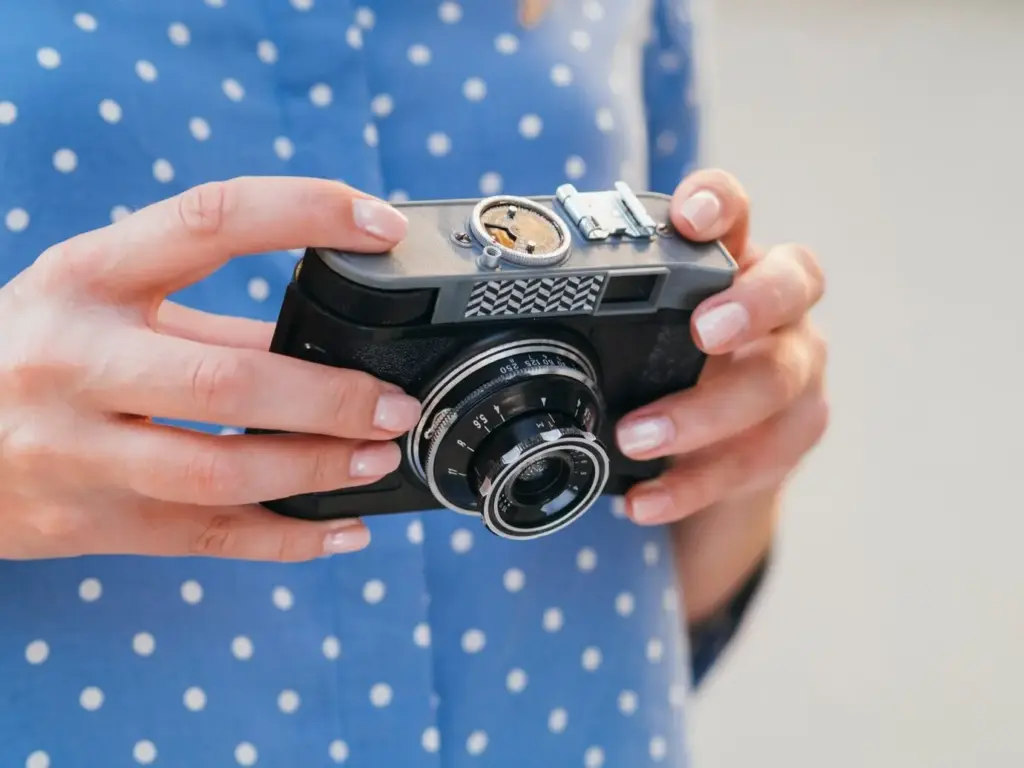
Join the Conversation and Grow with Practice
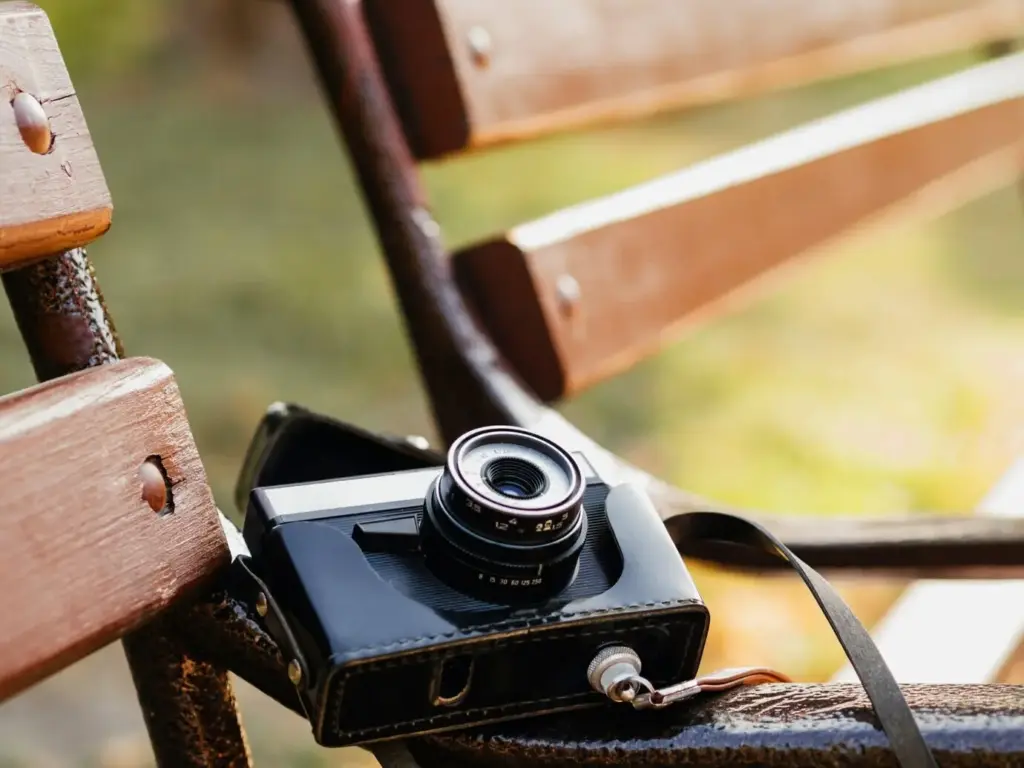
Community makes manual shooting addictive. Share your favorite vintage pairings, stabilization settings, and exposure tricks. Ask questions, challenge assumptions, and propose field exercises we can do together. Subscribers get monthly prompts and breakdowns of reader images, with clear, respectful critiques. The more stories and data we pool, the faster everyone’s results become consistently excellent and inspiring.
Xarophelivunt
Privacy Overview

This website uses cookies so that we can provide you with the best user experience possible. Cookie information is stored in your browser and performs functions such as recognising you when you return to our website and helping our team to understand which sections of the website you find most interesting and useful.